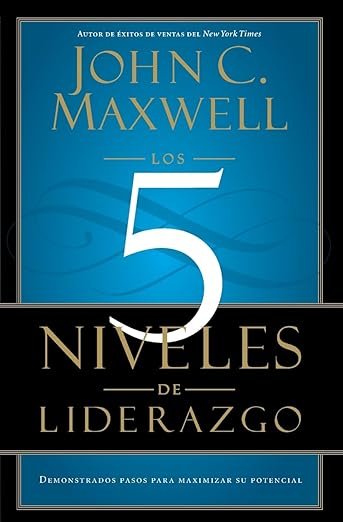
In The 5 Levels of Leadership, John C. Maxwell offers a clear and practical model for understanding and developing leadership skills, both in personal and organizational contexts. Through five hierarchical levels, Maxwell describes how leaders can grow, influence, and create a lasting positive impact on their teams and organizations. The book’s approach emphasizes that leadership is not a position but a continuous process of development and service to others.
1. Level 1: Position – Leadership by Title
This initial level is based on formal authority. Here, people follow the leader because they are obligated, not because they want to.
Corporate relevance:
Although it is the most basic level, it is a necessary stage to establish a hierarchical structure. However, staying at this level can limit the leader’s influence. Maxwell emphasizes the importance of advancing to higher levels to build relationships and generate trust.
2. Level 2: Permission – Leadership Based on Relationships
At this level, leaders build genuine connections with their teams. People follow them because they want to, not because they have to.
Group development:
Maxwell highlights that, to build a cohesive team, the leader must demonstrate empathy, listen, and show genuine interest in their collaborators. Relationships are the foundation of effective teamwork and cooperation.
3. Level 3: Production – Results Speak
The production level focuses on the leader’s ability to achieve tangible results. Here, teams begin to see the positive impact of leadership on overall results.
Organizational impact:
Maxwell explains that effective leaders at this level are those who inspire teams to focus on clear and achievable goals, motivating members to give their best. This level also establishes the leader’s credibility.
4. Level 4: People Development – Creating Other Leaders
The fourth level emphasizes the importance of empowering others. Leaders at this stage invest in the personal and professional growth of their collaborators, helping them reach their full potential.
Impact on teams:
This approach generates a culture of continuous learning within the organization. Maxwell highlights that a truly successful leader does not just seek followers but creates new leaders, thus strengthening the team’s structure and ensuring the sustainability of success.
5. Level 5: Pinnacle – Leadership by Respect
The highest level of leadership is achieved by those leaders who have developed a solid reputation, inspiring respect and admiration. At this level, the leader’s impact transcends their physical presence and leaves a lasting legacy.
Personal and corporate relevance:
Maxwell describes how leaders at this level inspire future generations and establish organizational cultures based on solid values and excellence.
Key Lessons from the 5 Levels of Leadership
- Leadership is a journey: It’s not about reaching the top immediately but growing through each level.
- Building relationships is essential: No leader can succeed without the trust and support of their team.
- Effective leadership is inclusive: Leaders who invest in others strengthen the entire organization.
- Legacy matters: Real success is not only measured by personal achievements but by the positive impact left on others.
Conclusion: A Path of Continuous Development
The 5 Levels of Leadership is a practical and motivating guide for anyone looking to strengthen their leadership skills. Whether in a personal, group, or corporate context, Maxwell’s model demonstrates that true leadership is based on continuous growth, the creation of meaningful relationships, and the empowerment of others.